
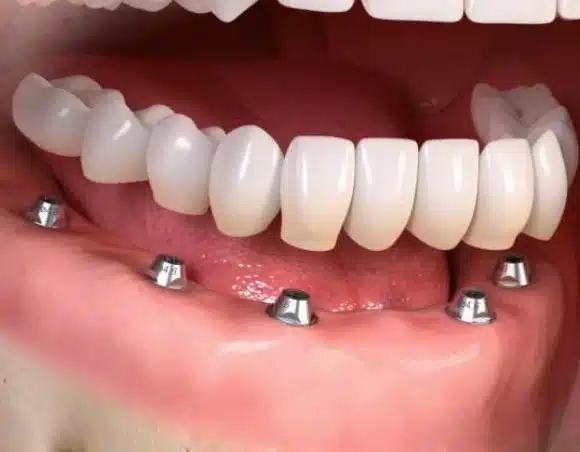
When it comes to replacing missing teeth, dental implants have become one of the most reliable and popular choices in the UK. A dental implant functions like a natural tooth root, offering strength, durability, and a natural-looking result. Unlike removable dentures, implants fuse with the jawbone to provide long-term stability. However, the success of this treatment depends heavily on maintaining good oral hygiene and protecting your overall oral health. Without the right care, issues such as gum disease or poor bone quality can compromise results.
If you are considering implants, Leicestershire Dental Studio offers expert care and bespoke treatment plans tailored to your needs.
How Implants Compare to Natural Teeth
Dental implants are designed to mimic the structure and function of natural teeth. Like real roots, they anchor firmly into the jawbone, supporting crowns, bridges, or dentures. This design allows you to chew, speak, and smile with confidence. In terms of care, implants also require the same daily attention as natural teeth, meaning brushing, flossing, and regular checkups remain essential. When treated like natural teeth, implants can last for decades.
Osseointegration: Why Bone Quality Matters
One of the most important processes in implant success is osseointegration. This is when the implant fuses with the surrounding bone, creating a secure foundation for your new tooth. Good bone density is crucial because it ensures the implant remains stable under daily pressures like chewing. Patients with weaker bone may require bone grafting before implants can be placed. This highlights why professional assessments and careful planning are so important.
Types of Dental Implants and Success Rates
There are different types of dental implants, and the right choice depends on your individual needs. The most common are endosteal implants, which are placed directly into the jawbone. Subperiosteal implants, positioned under the gum but above the bone, may be used in specific cases where bone volume is insufficient. Choosing the correct implant type improves success rates significantly.
In the UK, studies show that implants performed in specialist clinics report success rates of over 95 percent, particularly when patients follow recommended aftercare routines. Both NHS and private treatments are available, but private clinics often provide faster access and more personalised solutions.
The Role of Oral Health in Implant Success
Maintaining healthy gums and bone is just as important as the implant surgery itself. Poor oral hygiene can lead to plaque buildup, which increases the risk of gum disease. If untreated, this condition can damage the tissues and bone supporting your implant, ultimately leading to failure. By keeping up with daily care and attending regular dental checkups, you give your implants the best chance of lasting a lifetime.
Ready to restore your smile with confidence? Contact us today at Leicestershire Dental Studio to book your consultation and begin your journey toward healthier teeth and improved oral health.
The Role of Oral Health in Implant Success
Dental implants are widely regarded as the gold standard for replacing missing teeth. They provide strength, comfort, and a natural appearance, but their long-term performance depends on much more than the surgery itself. The foundation of every successful implant lies in oral health. Healthy gums, strong bone support, and consistent hygiene practices all determine whether an implant will thrive or fail. Understanding these factors helps patients take an active role in achieving lifelong results.
Chronic Gum Inflammation and Other Risks
One of the most overlooked threats to implant stability is chronic inflammation of the gums. Just like natural teeth, implants require healthy tissue to remain secure. Conditions such as gingivitis or periodontitis can compromise this stability and lead to complications.
Common risks to be aware of include:
- Chronic gum inflammation: Increases the risk of infection around the implant site.
- Untreated cavities: May spread bacteria to nearby areas, weakening oral health overall.
- Bruxism (teeth grinding): Places excess pressure on implants, potentially causing fractures or loosening.
Prioritising gum health through daily brushing, flossing, and routine checkups is the first line of defence against these issues.
The Influence of Systemic Health Conditions
Your mouth does not exist in isolation. General health conditions often influence oral healing, which directly impacts implant placement and long-term success.
For example:
- Diabetes: Can slow wound healing, increasing the risk of infection.
- Osteoporosis: Reduces bone density, making it harder for implants to integrate with the jaw.
- Heart disease and certain medications: May affect blood flow or bone metabolism, altering healing.
Patients with these conditions can still receive implants successfully, but they may need closer monitoring, tailored surgical techniques, and collaboration between their dentist and GP.
The Role of Oral Microbiomes
The oral cavity is home to billions of bacteria, collectively known as the oral microbiome. When balanced, this community supports natural healing and prevents harmful microbes from multiplying. However, poor oral hygiene or lifestyle factors such as smoking can disrupt this balance.
Daily dental care practices are vital for maintaining this harmony, such as:
- Brushing twice a day with fluoride toothpaste.
- Using interdental brushes or floss to clean around the implant.
- Rinsing with antimicrobial mouthwash when recommended.
- Scheduling professional cleanings every six months.
This proactive approach helps protect the implant site during healing and well beyond.
A Tale of Two Patients: Success vs Failure
Imagine two patients undergoing the same implant procedure.
- Patient A: Maintains excellent oral hygiene, attends regular dental appointments, and follows dietary advice during recovery. Their implant integrates smoothly and remains stable for years.
- Patient B: Neglects brushing, avoids follow-up visits, and continues smoking. Within months, infection develops around the implant, eventually causing failure.
This comparison highlights how choices made after surgery often determine the difference between dental implant success and failure.
The Bottom Line: Oral Health Equals Implant Success
Strong gums, healthy bone structure, and disciplined hygiene habits form the foundation for every successful implant. Protecting gum tissue, managing systemic conditions, and maintaining a balanced oral microbiome greatly improve long-term outcomes. Dental implants can restore confidence and function, but their durability relies on the care patients commit to every day.
Investing in your oral health is not only about protecting implants, it is about safeguarding your overall well-being.
Preventive Measures to Protect Your Implants
Dental implants are one of the most effective ways to restore missing teeth, offering both function and aesthetics. However, while implants themselves do not decay, the surrounding gums and jawbone are still vulnerable to infection, inflammation, and other oral health issues. Without proper care, these risks can compromise long-term stability. Adopting strong hygiene practices, scheduling regular dental visits, and making healthier lifestyle choices are the most reliable ways to reduce complications. Prevention plays a critical role in maintaining implant success for decades.
Brushing and Cleaning Techniques
Daily cleaning routines form the foundation of implant care. Unlike natural teeth, implants require slightly modified brushing and flossing to avoid damaging delicate gum tissue while still removing plaque effectively.
Best practices include:
- Using a soft-bristled or electric toothbrush twice a day.
- Brushing gently around the implant crown and gumline to avoid irritation.
- Incorporating interdental brushes to reach spaces between implants and natural teeth.
- Choosing implant-safe floss or tape to clean beneath the gumline.
- Rinsing with an antibacterial mouthwash to control harmful bacteria.
By following these steps, you lower the risk of periodontal disease, a condition that can damage the tissues and bone supporting implants.
The Role of Regular Check-Ups and Professional Care
Consistent dental monitoring ensures your implants remain secure and healthy. In the UK, NHS guidelines suggest dental check-ups every 6 to 12 months, but implant patients often benefit from more frequent visits.
During these appointments, dentists will:
- Examine the gums and surrounding tissues for inflammation.
- Measure pocket depths to check for early signs of gum disease.
- Assess bone density and overall jaw health with X-rays or digital imaging.
- Provide professional cleaning to remove tartar in areas that at-home care cannot reach.
- Offer fluoride treatments to protect surrounding natural teeth.
Private practices may also provide advanced polishing treatments designed specifically for implants, giving patients another layer of protection.
Lifestyle Choices That Influence Implant Health
Daily lifestyle decisions can dramatically affect implant longevity. Some habits increase the risk of complications, while others actively support oral health.
Key considerations include:
- Quit smoking: Nicotine restricts blood flow and slows healing, leading to higher rates of implant failure.
- Moderate alcohol: Excessive drinking irritates gums and reduces their ability to recover.
- Improve nutrition: A diet rich in calcium and vitamin D strengthens bone structure, reducing the likelihood of bone loss.
- Stay hydrated: Managing dry mouth helps keep bacteria levels under control and protects soft tissues.
Small, consistent changes in daily habits can have a significant impact on long-term oral health.
Useful Tools and Technology
Modern dental technology and home-care devices make maintaining implants easier than ever.
Recommended tools include:
- Electric toothbrushes for consistent cleaning and plaque removal.
- Water flossers to gently flush out bacteria under the gumline.
- Interdental brushes to access tight spaces and remove debris.
- Dental apps that track brushing and flossing, sending reminders to build better habits.
These tools provide an extra layer of protection, especially for patients who struggle with traditional flossing or manual cleaning.
The Importance of Consistency
Caring for implants does not end after the implant procedure is complete. Long-term success depends on consistency, not occasional effort. Combining effective brushing techniques, professional care, healthy lifestyle choices, and the right tools creates a powerful prevention plan.
Recognising and Managing Complications Early
Dental implants are designed to be a long-term solution, but like any medical treatment, they are not without potential challenges. While success rates are high, complications can occur if early warning signs are missed. By recognising issues promptly and taking the right steps, patients can protect their implants and safeguard their overall jawbone health.
Common Implant-Specific Issues to Watch For
Some complications are often overlooked but can develop silently over time:
- Peri-implant mucositis: an early stage of gum inflammation around the implant that is reversible with timely care.
- Bone loss patterns: gradual deterioration of the supporting bone, which weakens the stability of the implant.
- Screw loosening: minor mechanical issues that may cause discomfort or reduced chewing efficiency.
Left unmanaged, these can increase the risk of implant failure, making vigilance essential.
Early Detection at Home and in the Clinic
Patients play a key role in spotting early problems. At home, warning signs may include bleeding gums, persistent discomfort, or changes in bite. Keeping a good oral hygiene routine helps reduce risks, but it is equally important to stay alert for unusual changes.
During professional check-ups, dentists use tools such as probing, X-rays, and digital imaging to detect bone loss or gum inflammation that may not be visible to the patient. These visits are vital, as implants require both at-home care and clinical oversight to remain successful.
Recovery and Management Strategies
The good news is that many complications can be managed effectively if identified early. Treatment options include:
- Professional cleaning and antimicrobial therapy to address early gum inflammation.
- Non-invasive care such as adjustments to home hygiene routines and product recommendations.
- Surgical interventions, including bone grafting or revision procedures, if structural issues have progressed.
The earlier a problem is caught, the less invasive the solution typically is.
The Importance of Communication and Personalised Care
Successful implant care relies on open communication between patients and their dental team. By sharing concerns promptly and attending scheduled checkups, patients allow their dentist to tailor care plans to their specific needs. Every implant journey is unique, and personalised advice ensures the best long-term outcomes.
Protect Your Implants with Expert Care
Protecting your dental implants begins with recognising potential issues early and acting quickly. Partnering with the right dental team ensures that every stage of your care is managed with precision and expertise. At Leicestershire Dental Studio, patients benefit from a comprehensive range of services, including general dentistry, cosmetic dentistry, implant surgery, and orthodontics. Our highly skilled dentists are committed to providing bespoke, patient-first treatment in a welcoming, five-star environment. With a focus on delivering the best clinical outcomes, the team combines advanced techniques with compassionate care, making every visit a positive step in your dental health journey.
Call 0116 254 1298 or email info@leicestershiredentalstudio.co.uk today to book your consultation.


