
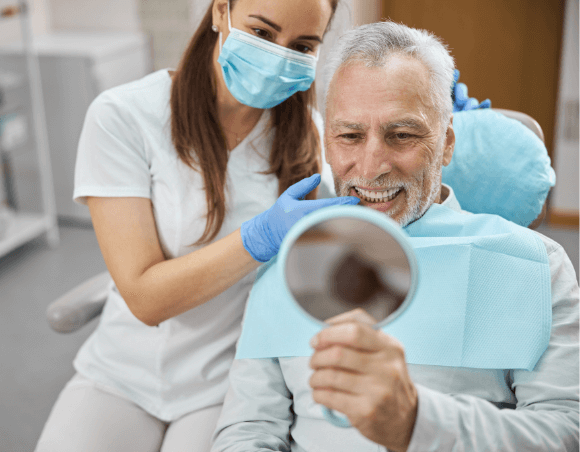
Dental implant surgery offers a transformative solution for individuals dealing with missing or damaged teeth. By replacing lost teeth with artificial roots, dental implants restore both function and aesthetics. However, the success of this procedure heavily relies on diligent post-surgery care to ensure optimal healing and the longevity of the implants.
Dental Implants and the Surgical Process
Definition and Purpose
Dental implants are titanium posts surgically placed into the jawbone to serve as replacements for missing tooth roots. Over time, these implants fuse with the bone—a process known as osseointegration—providing a stable foundation for artificial teeth. There are three primary types of dental implants:
- Endosteal Implants: Inserted directly into the jawbone, these are the most common type.
- Subperiosteal Implants: Placed on top of the jawbone, these are suitable for patients with insufficient bone height.
- Zygomatic Implants: Anchored in the cheekbone, these are used in cases of severe bone loss in the upper jaw.
The Surgical Procedure
The implant surgery involves several stages:
- Consultation and Planning: A comprehensive examination, including X-rays or CT scans, is performed to assess bone density and structure.
- Implant Placement: Under local anesthesia, the chosen implant is surgically inserted into the jawbone.
- Healing and Osseointegration: The bone heals around the implant over a period of months, ensuring a secure fit.
- Abutment and Restoration: Once healed, an abutment is attached to the implant, followed by the placement of a custom-made crown, bridge, or denture.
The entire process can span several months, primarily due to the healing and osseointegration phases.
Initial Recovery Expectations
Post-operative symptoms such as swelling, bruising, and discomfort are common. Initial healing typically takes about one week, but complete integration can extend from three to nine months, depending on individual circumstances.
Immediate Post-Surgery Care and Guidelines
Following the surgical procedure, adhering to specific care guidelines is crucial for a smooth recovery:
Managing Swelling and Bruising
- Cold Compress Application: Apply cold compresses to the affected area for 15-20 minutes intervals during the first 48 hours to reduce swelling.
- Head Elevation: Keep your head elevated, even while sleeping, to minimise swelling.
Pain Management
- Medications: Take prescribed pain relievers as directed. Over-the-counter options like ibuprofen may also be recommended.
- Monitoring Pain Levels: If pain persists or intensifies beyond the expected period, contact your dental care provider.
Dietary Recommendations
- Soft Foods: Consume soft foods such as yogurt, mashed potatoes, and smoothies during the initial recovery phase.
- Avoid Certain Foods: Steer clear of hard, crunchy, or hot items that could irritate the surgical site.
- Nutritional Balance: Maintain a nutritious diet to support the healing process.
Oral Hygiene Practices
- Gentle Brushing: Use a soft-bristled toothbrush to clean around the surgical area, avoiding direct contact with the implant site initially.
- Saltwater Rinses: Gently rinse your mouth with warm saltwater several times a day to reduce the risk of infection.
- Avoid Certain Tools: Refrain from using water flossers or electric toothbrushes near the surgical site until cleared by your dentist.
For personalised post-surgery care and to address any concerns, consider reaching out to Leicestershire Dental Studio.
Long-Term Recovery and Follow-Up
The healing process continues beyond the immediate post-operative period:
- Regular Check-Ups: Attend follow-up appointments to monitor healing and address any issues promptly.
- Lifestyle Modifications: Avoid smoking and limit alcohol consumption, as these can impede healing and affect implant success.
- Physical Activity: Gradually resume normal activities, but avoid strenuous exercise that could impact the surgical site during the initial healing phase.
Recognising and Addressing Potential Complications
After your dental implant surgery, it is important to monitor your recovery closely and be aware of any signs that may indicate complications. While most patients experience a smooth recovery, some may encounter issues that require prompt attention. This section discusses how to identify potential complications and provides actionable steps to address them.
Signs of Infection
One of the primary concerns after any surgical procedure is the risk of infection. It is essential to know the symptoms that indicate an infection may be developing around the implant site.
- Persistent Pain and Swelling: While some discomfort is normal after the surgery, pain that does not subside or gradually worsens can be a red flag.
- Redness and Pus Discharge: The presence of red, inflamed tissue around the implant or any discharge that appears to be pus should not be ignored.
- Recommended Actions: If you notice these signs, immediately contact your dental provider. They may prescribe antibiotics or recommend other measures to mitigate the infection. Always adhere to the post-operative instructions provided by your dentist to minimise the risk of infection and to know exactly when to seek help.
Peri-Implantitis Awareness
Peri-implantitis is a condition that specifically affects dental implants, characterised by inflammation and bone loss around the implant.
- Symptoms and Indicators: Patients may experience gum swelling, bleeding, or pocket formation around the implant. In more severe cases, bone loss may be visible on X-rays.
- Preventive Measures: Maintaining meticulous oral hygiene is critical to prevent peri-implantitis. This involves more than routine brushing; you should also use specialised cleaning techniques and tools recommended by your dental care provider. Incorporating good oral hygiene practices can significantly reduce the risk of this condition.
Nerve and Tissue Damage Indicators
Although less common, nerve and tissue damage can occur during or after implant surgery. Being alert to these signs can ensure timely intervention.
- Symptoms to Watch For: Numbness, tingling sensations, or an overall unusual feeling around the area of the implant might suggest nerve irritation or damage.
- Immediate Steps: If you experience these symptoms, it is crucial to communicate with your dentist as soon as possible. Early detection allows for interventions that can prevent permanent damage and ensure that the healing process remains on track.
When to Seek Professional Assistance
Recognising when a complication warrants professional attention is paramount for the long-term success of your implants.
- Guidelines for Action: If you notice any of the warning signs mentioned above—persistent infection, peri-implantitis symptoms, or nerve damage—it is advisable to schedule an appointment with your dental provider.
- Importance of Follow-Up Appointments: Regular follow-up visits are an integral part of post-operative care. These appointments allow your dentist to monitor the progress of your recovery and address any emerging concerns before they develop into more serious issues.
Long-Term Care and Maintenance for Implant Longevity
Beyond the immediate recovery phase, long-term care plays a crucial role in ensuring that your dental implants continue to serve you well for years to come. The following strategies are designed to help you establish and maintain a routine that supports the durability and functionality of your implants.
Establishing a Consistent Oral Hygiene Routine
A diligent oral hygiene routine is the cornerstone of long-term implant success.
- Daily Brushing and Flossing: Incorporate gentle yet effective brushing and flossing techniques that cater specifically to the unique surface of dental implants. This helps in removing plaque and bacteria that could otherwise lead to complications.
- Antimicrobial Mouthwashes: Use mouthwashes with antimicrobial properties as recommended by your dental care professional. These solutions not only freshen your breath but also reduce the risk of infections that can compromise your implants.
- Special Considerations: When you have just undergone dental implant placement, it’s essential to modify your routine slightly to avoid disrupting the healing tissues. Your dentist may suggest using a softer toothbrush and taking extra care around the implant site.
Regular Dental Check-Ups
Routine dental check-ups are indispensable for monitoring the health of your implants and your overall oral condition.
- Scheduled Examinations: Regular visits allow your dentist to examine your implants, perform professional cleaning sessions, and detect any potential issues early on.
- Professional Cleanings: In addition to your at-home care, professional cleanings help in removing plaque and tartar buildup, which are difficult to eliminate with brushing alone. These check-ups serve as an early warning system, allowing for timely interventions.
Lifestyle Modifications
Your lifestyle choices can significantly impact the success of your dental implants. Making mindful adjustments can enhance your recovery and prolong the life of your implants.
- Avoiding Harmful Habits: Smoking, excessive alcohol consumption, and certain medications can interfere with the healing process and the overall success of the implants.
- Dietary Adjustments: In the early stages of recovery, it is advisable to consume soft foods that do not strain the surgical area. Gradually, as your healing progresses, you can reintroduce a more varied diet.
- Physical Activity Considerations: While engaging in regular physical activity is beneficial for overall health, it is important to avoid strenuous exercises immediately after surgery. Overexertion could potentially impact the implant site. Adjust your activity levels as recommended by your dental provider.
Recognising and Managing Implant Issues
Despite rigorous care, complications can sometimes arise. Being prepared to recognise and manage these issues is key to maintaining implant health over the long term.
- Awareness of Long-Term Complications: Beyond the immediate post-operative period, remain vigilant for any signs of complications, such as changes in the implant’s stability or persistent discomfort.
- Prompt Action: Should any issues arise, address them promptly by consulting your dentist. This could involve additional treatments or adjustments to your care routine to prevent further problems.
- Holistic Implant Care: A comprehensive approach to implant care includes not only oral hygiene and professional check-ups but also an awareness of how other dental procedures might interact with your implants. For example, patients who have undergone teeth removal for reasons such as crowding or decay—and those who have had their wisdom teeth extracted—must sometimes undergo additional considerations during implant planning. In cases where patients have experienced complications related to wisdom teeth removal, extra care must be taken to ensure that all procedures work harmoniously.
Conclusion
Proper care following implant surgery is essential for the success of dental implants. By following the guidelines above and maintaining good oral hygiene, you can ensure a smooth recovery and enjoy the benefits of restored dental function and aesthetics. Addressing potential complications early on and adhering to your post-operative instructions sets the stage for long-term implant success.
For personalised care and expert guidance, consult with dental professionals like those at Leicestershire Dental Studio. Their commitment to excellence in dental care spans a range of services—from implant surgery and dental implant placement to general dentistry, cosmetic dentistry, and orthodontics. Whether you’re recovering from teeth removal or wisdom teeth removal, their expertise can help you navigate the healing process effectively.
Take action today by contacting Leicestershire Dental Studio at 0116 254 1298 or emailing info@old.leicestershiredentalstudio.co.uk. With emergency appointments and online booking available, your journey to a healthier, more confident smile is just a call or click away. Invest in your oral health—reach out now for exceptional implant care and lasting results.


